

Clinical research · AmsterdamUMC & Diabeter
Recently diagnosed with type 1 diabetes?
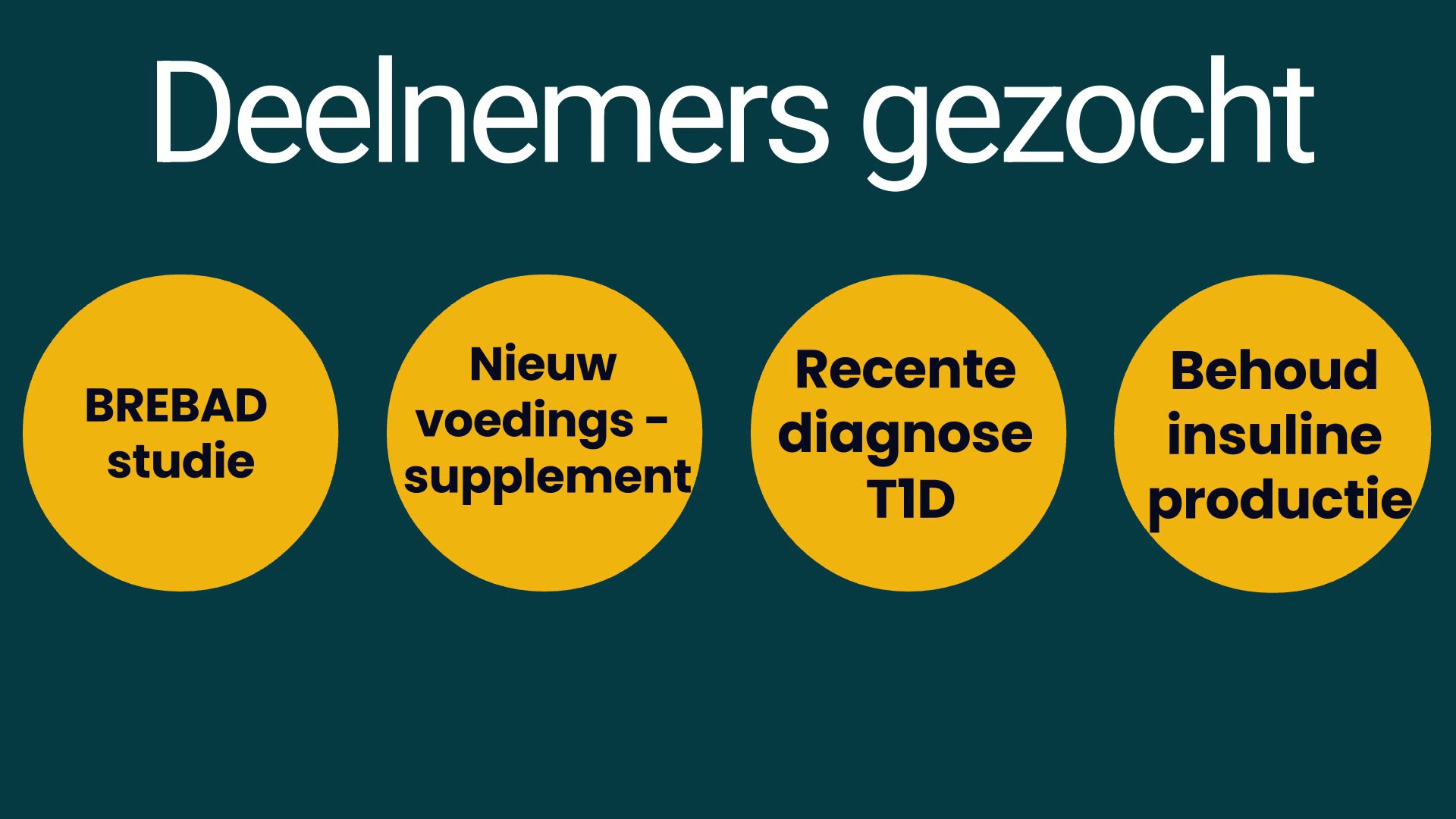
We are investigating whether 6-bromotryptophan — a natural substance your gut bacteria produce — can help you hold on to your own insulin production for longer.
The video could not be loaded. Please try again later, or email us.
Aim of the study
Preserving as much of your own insulin as possible
Shortly after a type 1 diabetes diagnosis, your pancreas often still produces some of your own insulin. The longer you keep that, the more stable your blood glucose stays and the lower your long-term risk of complications.
The BREBAD study investigates whether daily capsules containing 6-bromotryptophan (6-BT) can slow that decline. It is a substance your body already knows: gut bacteria make it from tryptophan, an amino acid found in everyday foods such as dairy, bananas and eggs.
In short
What taking part involves
Who can take part?
Adults aged 18 to 30 who were diagnosed with type 1 diabetes in the past 6 months. Take the three-question check.
What does it look like?
Screening plus 6 visits to the Clinical Trial Unit at AmsterdamUMC over 18 months. Blood samples, a meal test and short questionnaires. Travel costs reimbursed.
Is it safe?
The study was reviewed by an accredited medical research ethics committee. Read what we know about side effects, placebo and your privacy.
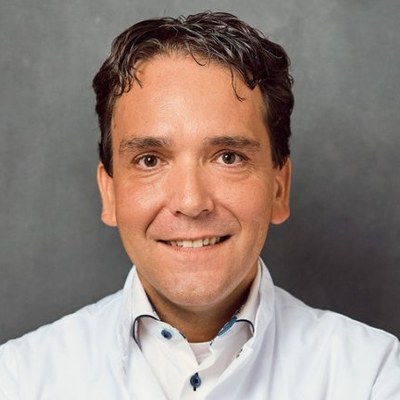
“This BREBAD trial supports our research group’s mission: ‘To enable people with type 1 diabetes to lead a healthy life.’”
Prof. Max Nieuwdorp MD PhD — internist, principal investigator
From first contact to completion
The process along the timeline
From your first email to the final measurement, the study runs for about 18 months. Select a step for the details.
First contactMonth 18
Week 0You get in touch
- No obligationGetting in touch commits you to nothing. You can still decline at any point.
- Phone conversationWe explain the study and answer your questions, however small.
- Study informationWe email you the full study information and you have at least a week to think it over.
- Scheduling the visitIf you want to go ahead, we schedule a screening visit together.
Week 1–4Screening visit
- Collect urine at homeBeforehand, to establish how much of your own insulin production remains.
- Full conversationThe aim of the study, the inclusion and exclusion criteria, practical matters and room for questions.
- ConsentOnly after that conversation do you sign the consent form. Until that moment you can still decline.
- MeasurementsHeight, weight and blood pressure.
- Blood samplesAmong other things to measure whether you still produce enough of your own insulin.
- OutcomeWithin a few working days you hear whether you can definitively take part.
Month 0Starting the capsules
- Random allocationA computer decides which group you join. Nobody chooses, and nobody knows — not even the researcher.
- Taken dailyAt a fixed time of day. You get instructions and a schedule to take home.
- Always reachableDoubts or symptoms? You can call or email the physician-researcher at any time, also between visits.
Month 3, 6, 9, 12Follow-up visits
Preparation at home
- Wear your sensorYou wear your own glucose sensor for the two weeks before the visit.
- Food diaryThree days of noting down what you eat and drink.
- Collect a stool sampleAt home, with a kit we give you. For the gut analysis.
During the visit
- Come fastingNothing to eat from midnight. Water is fine.
- Short conversationHow are you doing, any symptoms or changes?
- CannulaOne needle stick, then every sample without a new one.
- Meal testYou drink a standardised drink; we then measure at fixed intervals how much insulin you still produce yourself.
- Blood samplesFor immune measurements, glucose values and the safety check.
- Two urine collectionsAt two fixed moments during the visit.
- Short questionnairesAbout how you are doing and how the capsules are going.
- Capsules to take homeEnough to last until the next visit.
- Your own resultsYou get these back throughout the study, so you are monitored more closely than usual.
Month 18Final measurement and completion
- Final measurementThe same measurements as at the follow-up visits, so we can track the effect after stopping too.
- Which group?Whether you had 6-BT or placebo is revealed only once every participant has finished — otherwise it could influence the outcome.
- ResultsThe outcomes of the whole study are expected in 2029 and we will send them to you.
Interested?
Check in one minute whether you can take part
Three short questions, no personal details needed. Not sure? Just send an email — you are not committing to anything.